In conversations about how fuel retail continues to evolve, Nick Kambitsis is often associated with a broader industry shift that places foodservice at the center of the modern gas station experience. What was once a category defined by packaged snacks and grab-and-go items has steadily transformed into a competitive food destination capable of standing alongside established quick-service restaurants.
Trends alone do not drive this evolution. Changing consumer expectations, tighter margins on fuel, and increased competition for convenience have made foodservice a strategic growth lever rather than a supplemental offering. Gas stations that approach prepared food thoughtfully are finding new ways to increase dwell time, basket size, and customer loyalty.
Why Foodservice Has Become a Strategic Priority
Fuel margins remain highly sensitive to market volatility, regulation, and global supply dynamics. As a result, many operators now look inside the store for revenue stability. Prepared food delivers higher margins than traditional convenience items and creates reasons for repeat visits beyond refueling needs.
Consumers increasingly expect quality, speed, and consistency wherever food is sold. Gas stations positioned along commuter corridors or near residential areas are uniquely placed to meet these needs, particularly during breakfast, lunch, and late-evening hours when traditional restaurants may be crowded or closed.
The Competitive Landscape With Quick-Service Restaurants
Quick-service restaurants excel at menu clarity, operational consistency, and brand recognition. For gas stations to compete effectively, foodservice programs must focus on strengths rather than imitation.
Key competitive advantages include:
- Speed and accessibility for customers already stopping for fuel
- Extended operating hours compared to many restaurants
- Convenient locations near highways, neighborhoods, and workplaces
Rather than replicating a full restaurant menu, successful gas stations concentrate on specific food categories that align with customer behavior and operational capacity.
Prepared Food Categories That Perform Well
Not all foodservice offerings deliver equal returns. Performance often depends on simplicity, execution quality, and demand alignment.
Common high-performing categories include:
- Fresh breakfast sandwiches and baked goods
- Coffee and specialty beverage programs
- Ready-to-eat lunch items such as wraps, bowls, and hot sandwiches
- Evening comfort foods designed for quick pickup
Limiting menu complexity allows teams to maintain consistency while controlling waste and labor costs.
Coffee Programs as Traffic Drivers
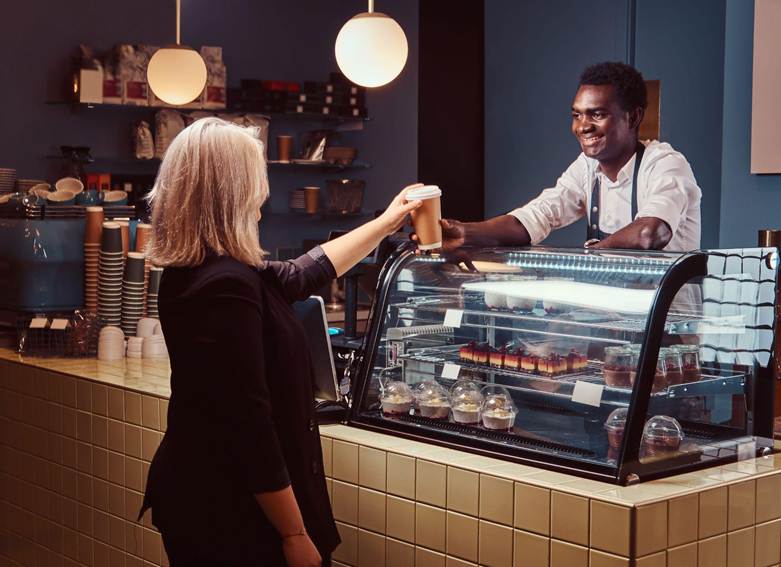
Coffee has become one of the most powerful anchors in gas station foodservice. A well-executed coffee program can generate multiple daily visits from the same customer and establish brand familiarity.
Modern programs often emphasize:
- Fresh brewing throughout the day
- Customization options without slowing service
- Clean, well-designed beverage stations
- Seasonal or rotating flavors to maintain interest
When paired with breakfast or snack items, coffee programs significantly increase average transaction value.
Operational Considerations That Determine Success
Foodservice introduces operational complexity that traditional convenience retail does not face. Success depends on discipline, planning, and process consistency.
Critical operational factors include:
- Food safety compliance and proper storage practices
- Staff training focused on preparation, cleanliness, and speed
- Equipment reliability to prevent service interruptions
- Clear workflows that integrate food prep with retail operations
Operators that treat foodservice as a core business unit rather than an add-on tend to achieve stronger results.
Managing Labor Without Overextending Teams
Labor efficiency remains one of the biggest challenges in foodservice expansion. Simplified menus, pre-portioned ingredients, and intuitive equipment help reduce training time and operational strain.
Cross-training staff across retail and food functions allows flexibility during peak hours while maintaining service standards. Clear task ownership and predictable routines support consistency even during high-volume periods.
Design and Layout Influence Performance
Store layout plays a decisive role in foodservice success. Customers should be able to understand offerings quickly and navigate food areas without disrupting fuel or checkout flow.
Effective layouts typically:
- Position foodservice near entry points or beverage stations
- Maintain visual separation between preparation and customer areas
- Support efficient movement for staff and customers alike
Cleanliness and visibility directly influence trust, especially when food is prepared on-site.
Pricing Strategy and Perceived Value
Competing with quick-service restaurants requires thoughtful pricing rather than aggressive discounting. Customers evaluate value based on quality, speed, and convenience rather than price alone.
Bundled offerings, such as coffee and breakfast pairings, can increase perceived value while protecting margins. Transparent pricing and consistent portion sizes help build trust over time.
Brand Consistency Across Locations
For multi-unit operators, foodservice consistency reinforces brand credibility. Customers expect the same experience regardless of location, particularly when food quality is involved.
Standardized recipes, equipment, and training materials help maintain consistency while allowing for minor regional adjustments based on customer preferences.
Technology’s Role in Foodservice Growth
Digital tools increasingly support foodservice operations through:
- Inventory monitoring and waste reduction
- Sales data analysis to refine menus
- Equipment diagnostics and maintenance alerts
These systems allow operators to scale foodservice programs without sacrificing control or efficiency.
Customer Perception and Trust
Trust is central to foodservice adoption in gas stations. Customers must feel confident that food is fresh, prepared safely, and delivered consistently.
Transparency through open prep areas, visible cleanliness, and reliable quality builds credibility and encourages repeat visits.
Looking Ahead: Foodservice as a Growth Engine
Foodservice expansion represents a long-term opportunity rather than a short-term experiment. As convenience retail continues to evolve, gas stations that invest thoughtfully in prepared food position themselves as everyday destinations rather than transactional stops.
By focusing on execution, operational discipline, and customer expectations, gas stations can compete effectively with quick-service restaurants while strengthening revenue resilience and brand relevance.