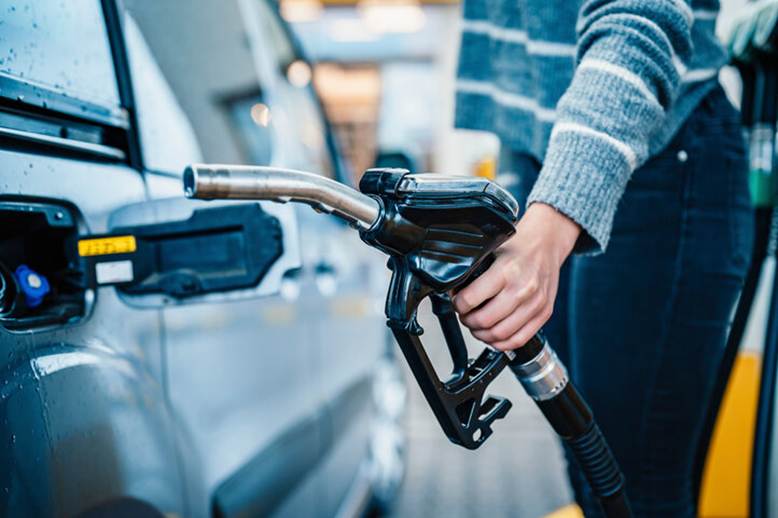
There was a time when gasoline stations were just that – stations. A quick halt for fuel and maybe grab a bottle of water if you needed one before you were back on the road. The transaction was simple; the experience was purely functional. But the habits that once defined the road economy are shifting fast. As consumers demand more convenience, choice, and comfort, the modern gas station is quietly reinventing itself – not as a pit stop, but as a destination.
Operators are starting to reconsider their forecourts all throughout the nation. The industry now focuses on minutes spent and experiences provided rather than merely gallons and margins. Nowadays, customers anticipate a stop that supports their lifestyles in addition to their cars. And that’s precisely the direction that the next generation of gas stations is taking: becoming hybrid retail establishments that combine hospitality, technology, and convenience.
For seasoned entrepreneurs like Nicholas Kambitsis, who has built and managed large-scale fuel and retail operations under Raceway Petroleum, this evolution isn’t a surprise, it’s an inevitable next step. His experience managing both gasoline stations and property development offers a grounded perspective: transformation in this space isn’t theoretical, it’s operational. It’s about rethinking how space, service, and strategy intersect.
The Rise of the Retail Forecourt
In the past, the number of cars a fuel station could serve in an hour was known as its throughput. However, the most astute operators started to put more emphasis on time than transactions as competition increased and technology redefined convenience. How do you keep customers interested while they’re here? became the question.
The answer is found in experience design. The forecourt and store layout are being reimagined not just to sell fuel and snacks, but to create micro-retail environments. Think cafés with fresh coffee, partnerships with local food brands, expanded seating areas, and even wellness-oriented products. The modern station is evolving into a neighborhood extension rather than an anonymous corner stop.
Loyalty, once tied to price, is now built on experience. A clean, well-designed space with good coffee and friendly service will win customers even if fuel prices fluctuate. In today’s landscape, consistency of quality and comfort builds stronger repeat business than a few cents off per gallon ever could.
Convenience Has a New Meaning
“Close to the highway” used to be the definition of convenience. It implies smooth these days. Easy has been redefined by reward programs, contactless payment methods, and mobile apps. Without ever pulling out their wallets, drivers may get coffee, pay for gas, and receive rewards.
The smartest operators are making this digital layer a central component of their approach. Stations are better able to comprehend purchasing habits, time of day trends, and the efficacy of promotions thanks to data gathered through loyalty apps. Having a C-store is no longer enough; you also need a customized retail engine that treats every consumer like a regular.
However, technology alone doesn’t define great service. The stations that thrive are those that use digital tools to enhance human interaction – not replace it. The balance between automation and authenticity will define the next decade of fuel retail.
Real Estate Meets Retail
Behind every successful station lies a real estate strategy. Location, layout, and land use determine profitability as much as the price of fuel does. In this sense, gasoline stations have more in common with shopping centers than many realize.
Forward-thinking operators are diversifying their offerings – from adding QSR partnerships and EV charging stations to expanding adjacent plots into convenience plazas or mini-shopping zones. This integration of real estate and retail not only future-proofs the business but also maximizes every square foot’s value.
Owning and operating the property creates flexibility – the ability to adapt, remodel, or pivot quickly as consumer trends evolve. In many ways, the modern gas station operator has become a hybrid entrepreneur, managing both fuel and foot traffic.
Sustainability and Perception
Sustainability is becoming an operational standard rather than just a corporate phrase. Gasoline companies are facing mounting pressure to exhibit environmental responsibility, from solar roofing and LED lighting to recyclable packaging and lower emissions. However, perception is just as important to sustainability in this sector as energy consumption.
Consumers, especially younger ones, are more likely to frequent stations that align with their values. Even small steps, such as offering plant-based snacks, supporting local suppliers, or installing EV chargers, help position a brand as future-conscious rather than fuel-bound.
The Road Ahead
The development of gas stations is indicative of a larger shift in retail and mobility, where design, technology, and service all come together. In addition to selling petrol, the stations of the future will also sell comfort, experience, and time. They will serve both digital natives and drivers who relax, recharge, or refuel.
The pump may remain the anchor, but the experience surrounding it will define who leads the next chapter of this industry. What was once a stop will soon be a destination, built not just for travel, but for tomorrow.